
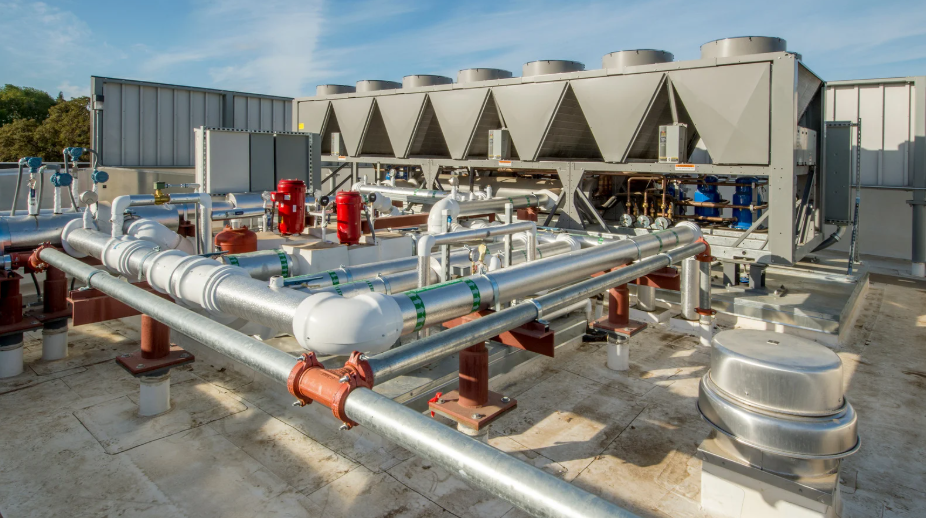
Deciding between a major capital investment and a temporary cooling solution is a common dilemma for facility managers facing aging infrastructure or shifting operational demands. While permanent system upgrades offer long-term stability, the immediate financial and logistical hurdles can often outweigh the benefits during periods of transition. Utilizing chiller rentals in Oklahoma provides a strategic bridge that allows businesses to maintain peak cooling performance without the heavy burden of upfront construction costs or equipment lead times.
Financial Flexibility and Capital Preservation
The most immediate advantage of choosing a rental over a permanent installation is the significant reduction in initial capital expenditure. Modern chillers are massive investments that require not only the unit’s purchase price but also extensive structural modifications, electrical upgrades, and labor to ensure a permanent fix.
By opting for a rental, a company can convert a massive one-time capital expense into a predictable operational cost that fits more easily into monthly budgets. This preservation of liquid capital is vital for businesses that need to prioritize growth or other urgent facility repairs while still ensuring their cooling needs are met. Furthermore, rental agreements often include full maintenance and support from professional technicians, which eliminates the risk of surprise repair bills that typically plague owners of permanent systems.
Managing Seasonal Peaks and Temporary Loads
Oklahoma weather is notorious for extreme temperature swings that can push a building’s existing HVAC system far beyond its designed capacity. During the hottest months, a system that works perfectly in the spring might struggle to keep up with the cooling demand of a full warehouse or an active manufacturing floor.
Renting supplemental units allows a facility to scale its cooling capacity precisely when needed without overbuilding a permanent system that would sit underutilized for half the year. This scalability ensures that equipment stays cool and occupants remain comfortable during heatwaves, all while maintaining the top benefits of industrial chiller rental for efficient cooling solutions, such as energy efficiency and rapid deployment. When the weather cools down or the temporary production spike ends, the rental unit is simply removed, and the facility returns to its standard operating state.
Accessing Modern Technology Without Obsolescence
The HVAC industry is rapidly evolving, with new refrigerants and higher-efficiency standards designed to meet 2026 environmental regulations. Purchasing a permanent system today might leave a business with outdated technology in just a few years as greener alternatives become the new industry standard.
Rental fleets are frequently updated by providers to include the latest high-efficiency models that utilize low-GWP refrigerants and advanced digital controls. This allows a business to benefit from the lowest possible energy consumption and a smaller carbon footprint without the risk of owning an obsolete asset. By relying on a professional service provider for temporary cooling, a facility ensures it always has access to the most reliable and technologically advanced equipment available on the market.
Conclusion
Chiller rentals provide a versatile and cost-effective alternative to permanent upgrades, particularly when a business faces emergency failures, seasonal demands, or tight capital constraints. By choosing a temporary solution, facility managers gain the flexibility to scale their cooling capacity and maintain operational continuity without the long-term risks associated with equipment ownership. Engaging professional cooling experts ensures every rental is sized correctly and maintained properly, allowing the business to focus on its core operations while staying cool in any conditions.