
A basement excavation is a major structural undertaking that reshapes the foundation of a property. Whether expanding usable space or preparing for a new build, the process demands precision, engineering knowledge, and strict safety controls. Homeowners considering basement excavation in Cleveland often want to understand what actually happens once the project begins. From soil analysis to final grading, each stage is carefully sequenced. Professional crews use specialized equipment, structural planning, and site management to ensure the home remains stable throughout the work.
Site Evaluation and Planning
Before any digging starts, the project begins with thorough groundwork—literally and technically. Engineers assess soil composition, groundwater levels, drainage paths, and the existing foundation. Permits and structural calculations are completed to meet local building requirements. Utility lines are located and marked to prevent disruption. During planning, project timelines are also discussed, and many property owners reviewing project expectations naturally consider factors like how long it takes to excavate a basement as part of scheduling and preparation. This stage ensures excavation proceeds safely without compromising the structure above.
Structural Preparation
Temporary supports are installed if excavation occurs beneath an existing structure. These reinforcements stabilize load-bearing walls and prevent shifting. Access routes for machinery are also created, keeping the surrounding landscaping and surfaces protected.
Excavation and Soil Removal
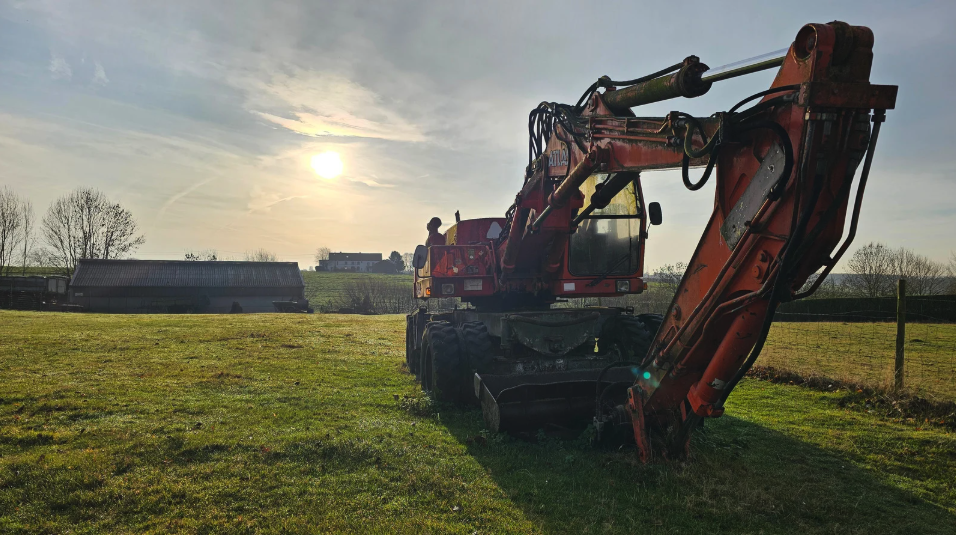
This phase is where visible progress begins, but it’s still carefully controlled. Heavy equipment removes soil in measured sections rather than all at once. Gradual excavation maintains structural balance and prevents soil collapse. Contractors monitor vibration levels to reduce stress on the foundation and nearby properties. Soil is hauled away or stockpiled depending on grading needs. Throughout this stage, moisture control is critical. Pumps or drainage systems may be used if groundwater is encountered.
Foundation Exposure and Protection
As digging reaches foundation depth, walls are inspected for integrity. Waterproofing membranes, drainage boards, or footing reinforcements may be added. This ensures the structure is prepared for long-term performance once backfilled.
Drainage, Footings, and Structural Work
Once the required depth is achieved, foundational enhancements begin. Drainage systems, such as perimeter drains, are installed to direct water away from the structure. Concrete footings are poured if new support points are required. This step strengthens the base of the home and distributes structural loads evenly. Precision here prevents settling issues later.
Inspection and Compliance
Municipal inspections often occur before proceeding further. Inspectors verify depth, structural supports, and drainage placement to ensure the work aligns with approved plans.
Backfilling and Site Restoration
After structural components are complete, the area is carefully refilled. Clean fill material is placed in layers and compacted to prevent future sinking. Proper grading directs surface water away from the foundation. Final steps may include replacing hardscape, landscaping, or preparing the space for interior finishing.
Final Safety Checks
Crews confirm structural stability, drainage performance, and site cleanliness before concluding. Equipment is removed, and the property is restored as close to its original condition as possible.
Conclusion
A professional excavation project involves far more than digging a hole. It’s a coordinated process combining engineering, soil science, structural reinforcement, and compliance oversight. Each stage protects the property’s integrity while creating the foundation for future construction or expansion. With the right expertise, the transformation happens safely, efficiently, and with long-term performance in mind.