
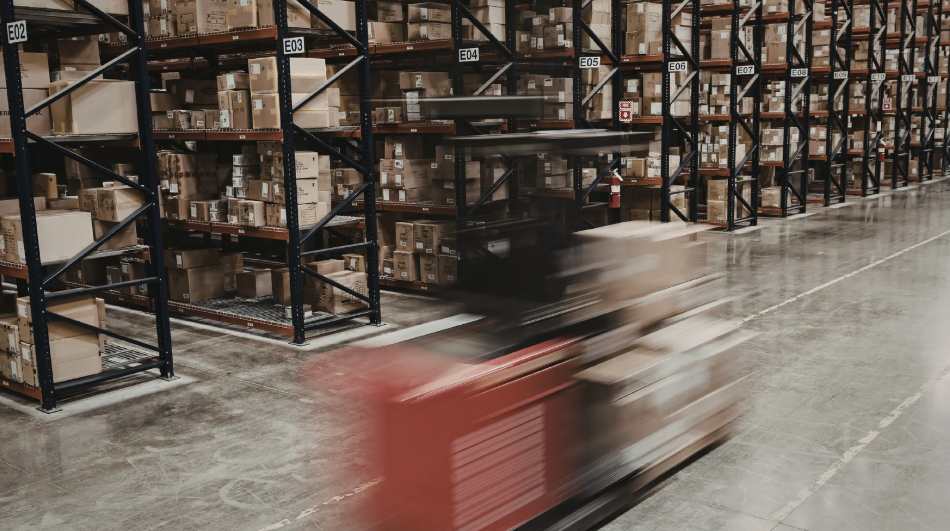
The success of a global supply chain often hinges on the geographical placement of its storage facilities. Selecting the right site is a complex calculation that balances transportation costs against delivery speed and labor availability. Companies that invest in strategic industrial warehousing gain a competitive edge by positioning their inventory closer to key markets and transport nodes. This physical advantage translates directly into faster order fulfillment and significantly lower operational expenses over time.
Reducing Transportation Costs and Transit Times
The largest portion of logistics spending is almost always attributed to the movement of goods between points. A strategically located facility acts as a central node that minimizes the distance products must travel to reach their final destination. Access to major infrastructure is non-negotiable for efficient operations. Warehouses situated near deep water ports or major interstate highways allow for the rapid intake of raw materials and the seamless dispatch of finished goods. This connectivity reduces the fuel consumption and driver hours required per shipment, which lowers the cost per unit.
Professional logistics providers analyze traffic patterns and carrier routes to select sites that offer the path of least resistance for freight movement, ensuring that supply lines remain fluid even during peak demand periods. Being close to rail spurs or air cargo terminals provides multimodal options that add resilience to the logistics network.
Optimizing Last Mile Delivery
The final leg of the delivery journey is notoriously expensive and time-consuming. By positioning inventory closer to high-density population centers, businesses can drastically reduce the mileage required for last-mile delivery. This proximity allows for same-day or next-day service options that modern consumers demand without incurring exorbitant expedited shipping fees. A well-placed distribution center serves as a forward operating base that enables the company to respond instantly to local market fluctuations and customer orders. This strategic closeness essentially shrinks the map, making the business feel local to a regional customer base.
Operational Efficiency and Labor Availability
Beyond the roads and rails, the local environment of the facility plays a massive role in its daily productivity. The availability of resources and a capable workforce are critical factors that influence the smooth running of the operation. A warehouse is only as effective as the team managing it, and finding qualified personnel is a location-specific challenge. Areas with a strong industrial base often provide a pool of experienced workers who understand complex logistics processes.
This expertise is vital when implementing rigorous standards, such as the various types of quality inspections in warehousing and logistics that ensure inventory accuracy. A location with access to this skilled talent pool ensures that sophisticated tasks like inbound auditing and outbound verification are handled with precision, reducing error rates and returns.
Regulatory and Environmental Factors
Different regions operate under varying zoning laws and tax structures that can impact the bottom line. Selecting a site in a business-friendly jurisdiction can unlock incentives and streamline the permitting process for future expansions. Professional site selection teams investigate these legal nuances to avoid restrictive regulations that could hamper operations. They ensure that the facility complies with all local environmental and safety standards, preventing legal complications that could disrupt the supply chain. Furthermore, analyzing the risk of natural disasters in a specific zone helps in mitigating potential disruptions, ensuring business continuity.
Conclusion
The physical location of a warehouse is a foundational element of logistics strategy that dictates the efficiency of the entire network. By prioritizing proximity to transportation hubs and access to skilled labor, companies can build a resilient supply chain that withstands market pressures. Making informed decisions about facility placement reduces long-term costs and improves service levels. Ultimately, the right location transforms a static storage building into a dynamic asset that drives business growth.