
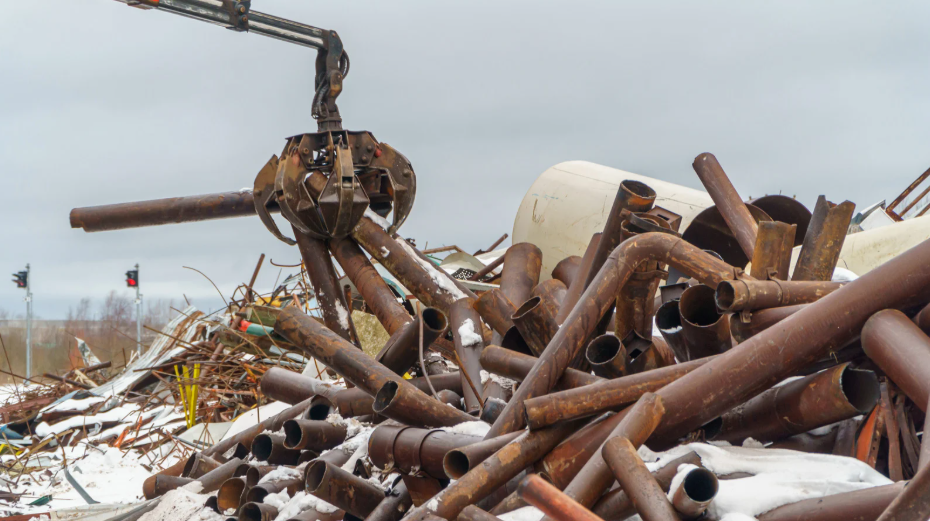
Modern infrastructure projects, from towering skyscrapers to extensive bridges, rely heavily on vast quantities of metal. As cities expand and old structures are replaced, the management of construction and demolition waste becomes a critical issue. Integrating robust recycling practices is essential for sustainability and resource management. The process of collecting and repurposing used metals not only conserves natural resources but also reduces the environmental footprint of large-scale construction. For major urban developments, utilizing services for scrap metal recycling in Atlanta is a smart, economical choice that supports a circular economy.
The Role of Recycled Metals in Construction
Recycled metals are integral to building the foundation of our cities. Steel, aluminum, and copper are among the most commonly recycled materials used in new construction. These metals retain their structural integrity through the recycling process, making them a reliable and cost-effective alternative to virgin materials.
Structural Steel and Reinforcement
Steel is the backbone of most modern buildings and bridges. Recycled steel, often sourced from demolished structures or industrial scrap, is melted down and reformed into new I beams, rebar, and structural supports. This process uses significantly less energy compared to producing new steel from iron ore. The strength and durability of recycled steel are identical to those of its newly produced counterpart, ensuring that safety and quality standards are always met.
Aluminum in Facades and Fixtures
Aluminum is prized for its lightweight, corrosion-resistant properties. In infrastructure, it is frequently used for window frames, roofing, and building facades. Recycling aluminum is incredibly efficient, saving up to 95 percent of the energy required to make it from bauxite ore. This makes it a key component in creating energy-efficient and long-lasting buildings.
Sourcing and Processing Scrap Metal
The journey from scrap to a usable construction material involves several key stages. It begins with the collection of metal from demolition sites, manufacturing facilities, and old infrastructure. Understanding what can be recycled is important; for instance, you can learn more with the quick guide to everything you need to know about red metals to better identify valuable materials.
Collection and Sorting
Professional recycling services play a crucial role in gathering and transporting scrap from various sources. Once at a processing facility, the metals are sorted by type. Large magnets are used to separate ferrous metals like iron and steel from non-ferrous metals such as aluminum and copper. Advanced sorting technologies, including X-ray and infrared sensors, help ensure the purity of each metal stream.
Processing and Manufacturing
After sorting, the scrap is shredded into smaller pieces to facilitate melting. It is then placed into large furnaces, melted down, and purified to remove any contaminants. The molten metal is cast into ingots, billets, or slabs, which are then sold to manufacturers. These manufacturers use the recycled metal to create new construction products, completing the cycle and feeding valuable materials back into the industry.
Conclusion
Scrap metal recycling is not just an environmentally responsible practice; it is a vital component of modern infrastructure development. It provides a sustainable source of high-quality materials, reduces energy consumption, and minimizes waste. By partnering with professional recycling services, construction and demolition projects can operate more efficiently and contribute to a more sustainable future. The use of recycled steel, aluminum, and other metals ensures that our cities can continue to grow without depleting precious natural resources.