
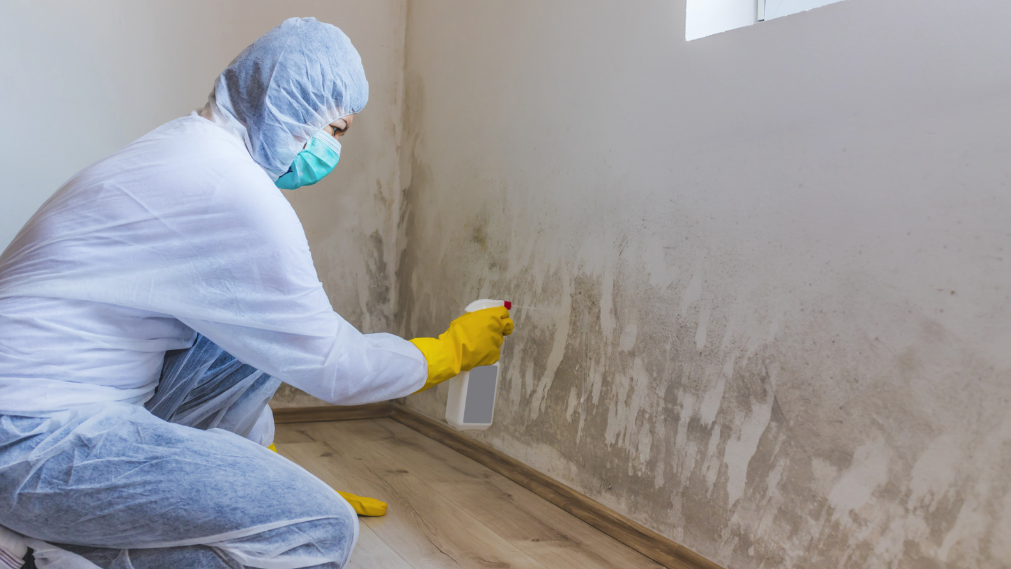
Mold remediation timelines vary because every property presents a different set of conditions. Factors such as moisture levels, affected materials, and the extent of contamination all influence how long the process may last. Early evaluation helps set realistic expectations and avoids unnecessary delays. Many property owners want clarity on timing before remediation begins. Within this context, consulting mold remediation experts in Atlanta can provide accurate insight into how the process unfolds based on a professional assessment. Understanding the phases involved helps reduce uncertainty and supports informed planning.
Factors That Influence Remediation Duration
Before discussing timelines, it is important to understand what determines how long mold remediation takes. The size of the affected area plays a significant role as larger spaces require more extensive containment and treatment. The type of surface involved also matters since porous materials absorb moisture and mold more deeply than non-porous ones. Another major factor is the underlying moisture source. If leaks, humidity, or ventilation problems are present, remediation may take longer because these issues must be addressed to prevent recurrence.
Initial Assessment and Containment Phase
The first stage of remediation typically involves inspection and containment. During this phase, professionals assess the extent of mold growth and identify hidden areas that may not be visible. This evaluation helps determine the overall scope of work and prevents unnecessary disruption. Containment is then established to limit the spread of spores to unaffected areas. Barriers and controlled airflow are used to isolate the contaminated space. This phase may take a short period, but it is essential for protecting indoor air quality and ensuring the rest of the remediation proceeds safely and efficiently.
Active Mold Removal and Treatment
Once containment is in place, the removal and treatment phase begins. This stage often takes the longest because it involves careful cleaning and removal of affected materials when necessary. Specialized methods are used to address both surface and embedded mold growth. The duration of this phase depends on how deeply the mold has penetrated the building materials. In some cases, treatment can be completed quickly, while more extensive contamination requires additional time. Professional oversight ensures that the work is done correctly without compromising surrounding structures.
Drying and Environmental Stabilization
After mold removal, the affected area must be thoroughly dried and stabilized. Moisture control is critical because lingering dampness can lead to renewed growth. Professionals monitor humidity levels and use appropriate equipment to restore balance. This phase may extend the overall timeline, but it is essential for long-term success. Drying is not rushed because incomplete moisture removal undermines the effectiveness of remediation. Stabilizing the environment ensures the space is safe and ready for continued use.
Final Verification and Clearance
The final stage focuses on verification and clearance. Professionals conduct post-remediation checks to confirm that mold has been effectively addressed and that conditions no longer support growth. This step provides reassurance that the process has achieved its intended outcome. Clearance helps establish confidence in indoor air quality and overall safety. These are the reasons to hire a professional mold remediation service, as a thorough evaluation ensures the process is completed carefully rather than rushed. It also marks the completion of remediation, ensuring that all phases have been properly executed without shortcuts or unresolved issues.
Conclusion
The time required for mold remediation depends on several interconnected factors, including assessment, removal, drying, and verification. Each phase serves a specific purpose and contributes to lasting results. Professional remediation focuses on thoroughness rather than speed to ensure mold does not return. Understanding these stages helps set realistic expectations and highlights the value of expert management in achieving a safe and stable indoor environment.