
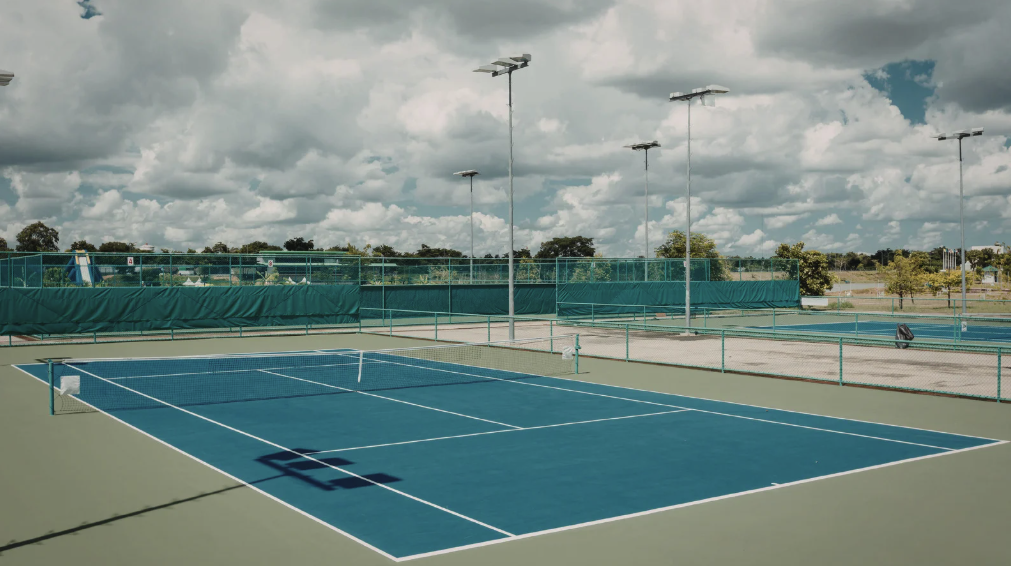
Tennis court construction is a detailed process that requires technical expertise, careful planning, and professional execution. From site preparation to surface finishing, every stage plays a role in ensuring durability, performance, and safety. Property owners working with pickleball court contractors in South Carolina often seek clarity on how the construction process unfolds and what to expect at each step. Professional contractors manage the entire process to ensure courts meet performance standards while aligning with environmental and usage requirements. Understanding this process helps clients appreciate the value of expert oversight and long-term quality.
Site Evaluation and Planning
The tennis court construction process begins with a thorough site evaluation. Contractors assess soil conditions, drainage patterns, grading requirements, and available space to determine feasibility. Proper evaluation ensures that the court foundation will remain stable and resistant to weather-related issues over time. Planning also includes selecting appropriate court orientation, dimensions, and surface type based on usage needs. Professional contractors create detailed plans that address both functional and environmental considerations. This step is critical to avoiding costly adjustments later in the project.
Ground Preparation and Base Installation
Once planning is complete, contractors begin ground preparation. This phase involves clearing the site, grading the surface, and establishing proper drainage systems. Drainage is essential to prevent water accumulation that can damage the court surface and foundation. A strong base is then installed using carefully selected materials and compaction techniques. The base supports the playing surface and ensures consistent performance. Professional installation at this stage directly impacts the longevity and playability of the court.
Surface Construction and Finishing
After the base is prepared, the playing surface is installed. Contractors apply surface materials according to the chosen court type, ensuring even thickness and proper curing. Precision during this phase ensures a consistent ball bounce and safe playing conditions. Finishing includes applying line markings, coatings, and textures designed for durability and performance. Understanding pickleball court design and construction helps explain how surface choices and finishes influence long-term usability and maintenance requirements.
Quality Control and Performance Standards
Professional tennis court construction includes strict quality control measures throughout the project. Contractors monitor surface levels, drainage effectiveness, and material performance to ensure the court meets industry standards. This attention to detail reduces the risk of premature wear or performance issues. Final inspections confirm that the court is ready for use and capable of withstanding regular play. Professional oversight during this phase ensures that construction goals align with client expectations and safety requirements.
Long-term Durability and Maintenance Considerations
The construction process also accounts for long-term durability. Contractors design courts to handle environmental conditions, usage frequency, and maintenance needs. Proper construction minimizes future repairs and extends the lifespan of the court. By relying on experienced professionals, clients benefit from courts built to perform consistently over time. Thoughtful material selection and expert installation contribute to a surface that remains reliable and visually appealing.
Conclusion
The tennis court construction process proceeds through careful planning, expert execution, and professional quality control. Each phase plays a vital role in ensuring stability, performance, and durability. Working with experienced contractors ensures that courts are constructed to meet high standards while supporting long-term use. Professional oversight throughout the process delivers reliable results and lasting value for property owners.