
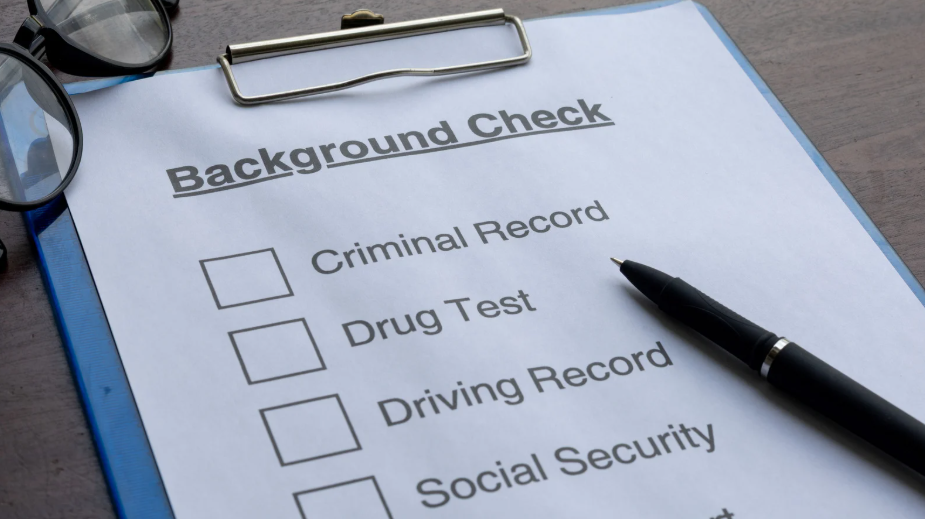
Reliable decisions often depend on information that isn’t immediately visible. Employers, property owners, and organizations turn to background checks in Doral to uncover details that may influence trust, safety, and long-term outcomes. Professional screening goes beyond surface-level searches, examining verified records and cross-referenced data. This process helps identify inconsistencies or risks that might otherwise remain hidden. Objective findings allow decisions to be made with confidence rather than assumption.
Inconsistencies in Identity and Personal History
Accurate identity verification is the foundation of any thorough screening process. Discrepancies in names, dates of birth, or past addresses can signal attempts to conceal history. Professionals analyze official records, address trails, and documentation patterns to confirm whether provided details align with verified sources. Even small inconsistencies may indicate a need for deeper review.
Alias Usage and Record Gaps
Unreported name variations or unexplained time gaps in personal history often raise questions. These patterns can suggest prior legal issues or deliberate omissions that merit further investigation.
Criminal History Concerns
One of the most significant findings in professional screenings involves legal records. Arrests, convictions, or pending charges may influence hiring or partnership decisions depending on the situation. Professionals review jurisdictional records carefully to ensure information is accurate and relevant. Discussions surrounding risk management frequently reference the importance of background check services when assessing how verified legal data contributes to safer choices. Proper interpretation matters, as context is essential when reviewing legal history.
Patterns Rather Than Isolated Events
Repeated offenses, escalating violations, or recent incidents may indicate ongoing risk. Structured analysis helps distinguish between past isolated mistakes and consistent behavioral concerns.
Employment and Education Misrepresentation
Professional screening often reveals discrepancies between claims and verifiable records. Inflated job titles, unconfirmed employment dates, or unverifiable degrees are common findings. These issues can affect credibility and reliability, particularly in roles requiring specialized expertise or trust. Verification ensures qualifications align with expectations.
Professional License Issues
Expired, suspended, or falsified certifications can present liability risks. Professionals confirm licensing status directly with issuing authorities when required.
Financial and Civil Record Findings
Certain roles involve financial responsibility, making civil judgments or financial disputes relevant. Bankruptcies, liens, or civil court cases may appear in record checks depending on the scope of screening. These findings are reviewed objectively, focusing on patterns that could impact fiduciary duties or contractual reliability.
Fraud or Identity Concerns
Documented fraud cases or identity-related offenses are especially important in positions involving sensitive information or financial oversight.
Behavioral and Reputation Indicators
Beyond formal records, some screenings include verification of professional conduct history. Restraining orders, documented workplace misconduct, or prior disciplinary actions may surface during thorough checks. These findings help assess potential workplace compatibility and safety considerations.
Verification of References
Professional investigators may confirm whether references are legitimate and accurately represent prior working relationships.
Conclusion
Professional screening brings clarity to decision-making by revealing details that might otherwise remain unnoticed. Verified records, careful analysis, and objective interpretation support safer and more informed choices across employment, housing, and partnership situations. Structured review processes help reduce uncertainty while maintaining fairness and accuracy in evaluating individual histories.