
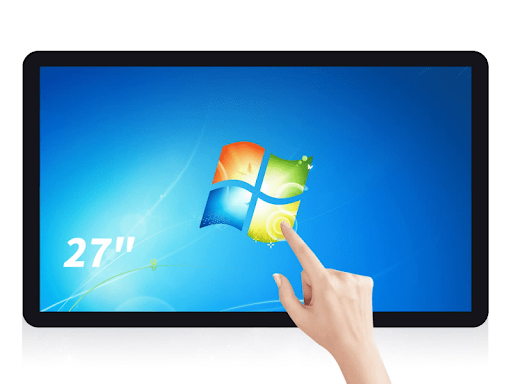
A capacitive touch screen is an advanced touch-sensitive display technology that detects human touch by measuring changes in electrical properties. Today, capacitive touchscreen technology has become one of the most important innovations in modern electronics, powering smartphones, tablets, industrial computers, medical equipment, self-service kiosks, and smart manufacturing systems.
Unlike older touch technologies that require physical pressure, a capacitive touchscreen responds to the natural electrical charge of the human body. This allows users to interact with devices through simple gestures such as tapping, swiping, pinching, and scrolling.
At COMPT, we focus on providing intelligent display solutions and industrial computer products that integrate advanced touchscreen technologies to support smart industries. With strong research and development capabilities, professional manufacturing experience, and global service support, we help businesses achieve higher efficiency through reliable computing and display solutions.
How Does a Capacitive Touch Screen Work?
The working principle and knowing what is a capacitive touch screen is based on electrical capacitance. The human body naturally carries a small amount of electrical charge, and when a finger touches the screen surface, it changes the existing electrostatic field.
A typical capacitive touchscreen consists of multiple layers, including:
- Protective glass layer – The outer layer provides durability and protects the display surface.
- Transparent conductive coating – Usually made with ITO (Indium Tin Oxide), a material that allows electrical conductivity while maintaining high transparency.
- Glass substrate layers – These layers support the touch sensor structure and maintain screen stability.
When a finger touches the screen, it creates a small electrical connection between the finger and the conductive layer. This causes a change in capacitance at the touch point.
The touchscreen controller detects this change and calculates the exact location of the touch by analyzing electrical signals received from electrodes positioned around the screen edges. The system then converts this information into commands, allowing the device to respond instantly.
The Structure of a Capacitive Touchscreen
The design of a capacitive touchscreen display combines several advanced materials and technologies to achieve accuracy, durability, and fast response.
The main components include:
Cover Glass
The cover glass protects the internal touchscreen components from scratches, impacts, dust, and daily usage. High-quality industrial touchscreens often use strengthened glass to improve durability in demanding environments.
ITO Conductive Layer
The ITO layer is a transparent conductive material that plays a critical role in detecting touch. It creates the electrical field required for capacitance measurement while allowing light to pass through the display.
Touch Sensor Layer
The sensor layer detects changes in electrical signals caused by finger contact. It works together with the controller to identify the position and movement of touch input.
Touch Controller
The controller processes electrical information from the touchscreen and translates it into accurate touch commands. Advanced controllers provide faster response times and improved accuracy.
Capacitive Touch Screen vs Resistive Touch Screen
One of the most common comparisons in display technology is capacitive touchscreen vs resistive touchscreen.
A resistive touchscreen works through physical pressure. When a user presses the screen, two conductive layers connect and identify the touch location.
A capacitive touchscreen works differently because it detects electrical changes caused by touch.
The main differences include:
- Touch Experience:
Capacitive screens provide smoother and more natural interaction because they respond to light finger contact. - Multi-Touch Support:
Modern capacitive displays support multiple touch points, allowing gestures such as zooming and rotating. - Durability:
Because capacitive screens do not require pressure, they generally experience less mechanical wear. - Accuracy and Speed:
Capacitive technology provides faster response times, making it ideal for applications requiring quick interaction.
Advantages of Capacitive Touch Screens
The popularity of after learning what is a capacitive touch screen technology comes from its many benefits.
-
Fast Response and High Sensitivity
Capacitive displays recognize touch almost instantly. This makes them suitable for applications where speed and efficiency are important.
-
Multi-Touch Functionality
One of the biggest advantages of capacitive touchscreen displays is multi-touch capability. Users can perform complex operations using multiple fingers, improving usability.
-
High Transparency
Because capacitive screens use transparent conductive materials, they provide excellent image clarity and brightness. This makes them ideal for high-quality display applications.
-
Strong Durability
Capacitive touchscreens have fewer moving parts compared with traditional input methods. This improves reliability and extends product lifespan.
-
Easy User Interaction
The smooth glass surface provides a modern user experience similar to smartphones and tablets, making industrial devices easier for operators to use.
Limitations of Capacitive Touchscreen Technology
Although capacitive touch screens offer many benefits, they also have certain limitations.
Because they depend on electrical conductivity, they usually require direct contact with conductive objects such as a human finger. Regular gloves or non-conductive materials may prevent proper operation unless special glove-touch technology is used.
Environmental conditions such as temperature, humidity, and electromagnetic interference can also influence touchscreen performance. In some industrial environments, advanced calibration and protective designs may be required to maintain stability.
Applications of Capacitive Touch Screens
Capacitive touchscreen technology is widely used across different industries.
-
Smartphones and Tablets
Consumer electronics represent one of the largest applications of capacitive touchscreens. Their smooth operation and gesture support have transformed how people interact with digital devices.
-
Industrial Panel PCs
In manufacturing environments, industrial panel PCs with capacitive touchscreens provide operators with simple and efficient control systems. These devices are commonly used in automation, production monitoring, and smart factory applications.
-
Self-Service Kiosks
Touchscreen kiosks in shopping centers, airports, restaurants, and public facilities rely on capacitive technology for convenient user interaction.
-
Medical Equipment
Medical systems require accurate and reliable touch input. Capacitive displays help healthcare professionals operate equipment efficiently while maintaining modern user interfaces.
-
Smart Manufacturing and MES Systems
With the growth of Industry 4.0, capacitive touchscreen devices are becoming essential components in smart factories. They provide workers with real-time information and improve production management.
Why Choose Professional Capacitive Touch Screen Manufacturers?
Choosing the right manufacturer is important for businesses that require reliable touchscreen solutions.
At COMPT, Guangdong Computer Intelligence Display Co., Ltd. specializes in the research, development, production, sales, and technical services of intelligent computer products.
Our product range includes:
- Industrial Panel PCs
- Industrial monitors
- Rugged tablets
- Embedded industrial computers
- MES hardware terminals
- Android all-in-one computers
With more than 100 skilled employees and a factory area of approximately 1,200 square meters, we maintain efficient production capabilities through multiple production lines. Our manufacturing capacity reaches up to 15,000 units per month, allowing us to support customers worldwide.
Our products are trusted by clients in more than 50 countries, and our factory follows international quality management standards, including ISO 9001 and ISO 14000 certifications.
The Future of Capacitive Touch Screen Technology
The future of capacitive touchscreen technology continues to expand with innovations in industrial automation, artificial intelligence, and smart devices.
New developments include improved glove-touch support, stronger protective materials, better outdoor visibility, and integration with advanced industrial computing systems.
As industries continue moving toward digital transformation, capacitive touchscreen displays will remain a key technology for improving efficiency, communication, and user experience.
Conclusion
A capacitive touch screen is a powerful display technology that uses electrical properties to detect human touch and provide fast, accurate interaction. Its advantages, including high transparency, multi-touch support, durability, and smooth performance, have made it the preferred choice for modern electronic devices.
From smartphones and tablets to industrial Panel PCs and smart factory solutions, capacitive touchscreen technology continues to improve the way people interact with machines.
As a professional intelligent computer manufacturer, COMPT is committed to delivering advanced touchscreen-based solutions that help businesses build smarter, more efficient, and more connected industries.