
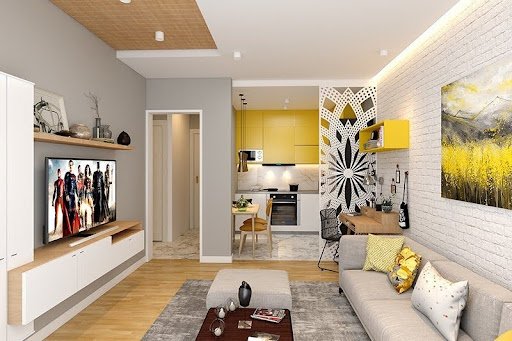
A small living room can feel challenging to decorate. Limited floor space often leads to clutter, awkward furniture arrangements, and a room that feels more cramped than comfortable. Yet many apartments, condos, and modern homes are designed with compact living areas, making efficient design more important than ever.
The good news is that size does not determine style. With thoughtful planning, smart furniture choices, and a few visual tricks, even the smallest living room can feel open, welcoming, and functional. The best small living room design ideas focus on maximizing available space while creating a room that reflects your personality and lifestyle.
Whether you’re working with a studio apartment or simply want to improve a compact family room, these practical strategies can help transform your space without major renovations.
Small Living Room Design Ideas That Actually Work
Designing a small living room requires balancing aesthetics with functionality. Every piece should contribute to both comfort and efficient use of space.
Choose Furniture That Fits the Scale of the Room
One of the most common mistakes homeowners make is purchasing oversized furniture. A large sectional may be comfortable, but it can quickly overwhelm a compact room.
Instead, choose furniture designed for smaller spaces. Look for sofas with slim arms, exposed legs, and streamlined silhouettes. These designs create visual openness and prevent the room from feeling crowded.
A loveseat paired with an accent chair can often provide more flexibility than a large sectional while maintaining ample seating.
Use Light Colors to Create Openness
Color has a significant impact on how large a room feels.
Soft neutrals such as white, cream, beige, light gray, and pale taupe reflect natural light and help walls appear farther apart. While dark colors can add drama, they often make small spaces feel more enclosed.
This doesn’t mean your room must feel plain. Add depth through textured fabrics, layered materials, and subtle accent colors rather than relying solely on bold wall colors.
Let Natural Light Take Center Stage
Natural light is one of the most effective tools for making a room feel larger.
Avoid heavy drapes that block sunlight. Instead, choose sheer curtains or lightweight fabrics that allow daylight to filter through the room.
Mount curtain rods closer to the ceiling rather than directly above the window frame. This simple adjustment draws the eye upward and creates the illusion of higher ceilings.
Incorporate Mirrors Strategically
Mirrors remain one of the most effective design solutions for compact spaces.
A large mirror positioned opposite a window reflects both natural light and outdoor views, making the room feel brighter and more spacious.
Oversized mirrors can serve as statement pieces while simultaneously increasing the perception of depth within the room.
Practical Tips for Maximizing Space
Beyond furniture and color choices, practical design techniques can dramatically improve functionality.
Invest in Multi-Functional Furniture
Furniture that serves multiple purposes is ideal for small living areas.
Consider options such as:
- Storage ottomans
- Nesting coffee tables
- Sofa beds
- Lift-top coffee tables
- Storage benches
These pieces help reduce clutter while increasing usability.
For example, a storage ottoman can provide seating, hidden storage, and a place to rest drinks or books.
Take Advantage of Vertical Space
When floor space is limited, walls become valuable real estate.
Floating shelves provide storage without consuming precious square footage. Tall bookcases draw the eye upward and create visual height.
Wall-mounted cabinets can also offer storage while maintaining an open floor plan.
Many successful small living room design ideas rely on vertical organization rather than expanding outward.
Keep Traffic Flow Clear
A room may feel small simply because movement is restricted.
Arrange furniture to create clear walking paths. Avoid blocking doorways, windows, or major pathways through the room.
Even a few extra inches of open space around furniture can significantly improve comfort and functionality.
Use Rugs to Define Zones
Area rugs help organize a room visually.
A properly sized rug can define the seating area and create a sense of structure. In open-concept apartments, rugs help distinguish the living room from dining or workspace areas.
Choose a rug large enough for at least the front legs of major furniture pieces to rest on it.
Embrace Built-In Storage Solutions
Built-in shelving and custom cabinetry can maximize every inch of available space.
Window seats with hidden storage, entertainment units with integrated shelving, and custom wall storage solutions help maintain a clean and organized appearance.
While built-ins require a larger investment, they often provide the best long-term results in compact homes.
Styling Ideas for a More Spacious Feel
The way a room is styled can be just as important as its layout.
Keep Decorative Accessories Minimal
Too many decorative objects can quickly create visual clutter.
Instead of filling every shelf and surface, choose a few meaningful pieces that add character without overwhelming the room.
A carefully curated collection often feels more sophisticated than excessive decoration.
Select Furniture With Visible Legs
Furniture elevated on legs allows more floor area to remain visible.
This simple design feature creates a sense of openness and makes the room appear larger.
Mid-century modern furniture is particularly effective for achieving this look.
Create Visual Continuity
Consistency in materials, colors, and finishes helps a room feel cohesive.
Using a limited color palette prevents visual fragmentation and creates a smoother flow throughout the space.
Repeating similar tones and textures can make a small room feel more expansive.
Incorporate Reflective Materials
Glass, metal, and glossy finishes reflect light and contribute to an airy atmosphere.
Glass coffee tables, mirrored accents, and metallic lighting fixtures add sophistication without adding visual weight.
Common Mistakes to Avoid
Even well-intentioned decorating choices can make a small living room feel smaller.
Overcrowding the Room
Trying to fit too much furniture into a limited area is a frequent mistake.
Focus on essential pieces and leave some open space to allow the room to breathe.
Ignoring Scale and Proportion
Furniture should complement the dimensions of the room.
A giant coffee table or oversized armchair can throw off the entire balance of the space.
Blocking Natural Light
Positioning tall furniture in front of windows limits sunlight and makes the room feel darker and smaller.
Keep window areas as open as possible.
Using Too Many Colors
An excessive number of colors can create visual chaos.
A restrained palette generally works better in compact spaces.
Neglecting Storage
Without adequate storage, clutter quickly accumulates.
Every small living room should include intentional storage solutions to maintain organization.
Benefits and Considerations
Implementing thoughtful design strategies offers several advantages.
First, a well-designed small living room feels more comfortable and inviting. Guests can move easily throughout the space, and daily activities become more enjoyable.
Second, efficient layouts improve functionality. Storage solutions reduce clutter while multi-purpose furniture increases flexibility.
Third, strategic design choices can make a room appear significantly larger than its actual dimensions.
However, every room is unique. What works in one apartment may not work in another. Consider factors such as natural light, ceiling height, architectural features, and household needs before making major changes.
The most successful small living room design ideas are tailored to the specific lifestyle of the people using the space.
Frequently Asked Questions
How can I make a small living room look bigger without renovating?
Use light colors, add mirrors, maximize natural light, choose appropriately scaled furniture, and reduce clutter. These changes can dramatically improve the perception of space without construction work.
What type of sofa is best for a small living room?
A compact sofa with slim arms and raised legs is usually the best choice. Modular seating and loveseats also work well in smaller spaces.
Should I use dark colors in a small living room?
Dark colors can work as accents, but lighter shades generally create a more open and spacious feeling.
How much furniture should a small living room have?
Only include furniture that serves a purpose. Focus on essential seating, a functional table, and smart storage rather than filling every available space.
Conclusion
Creating a stylish and functional living room does not require a large footprint. The most effective small living room design ideas focus on maximizing light, choosing appropriately scaled furniture, utilizing vertical storage, and maintaining visual simplicity.
Small spaces often encourage smarter design decisions because every element matters. By combining practical storage solutions, thoughtful layouts, and carefully selected furnishings, you can create a living room that feels comfortable, organized, and surprisingly spacious.
With the right approach, even the most compact room can become one of the most attractive and functional areas in your home.