
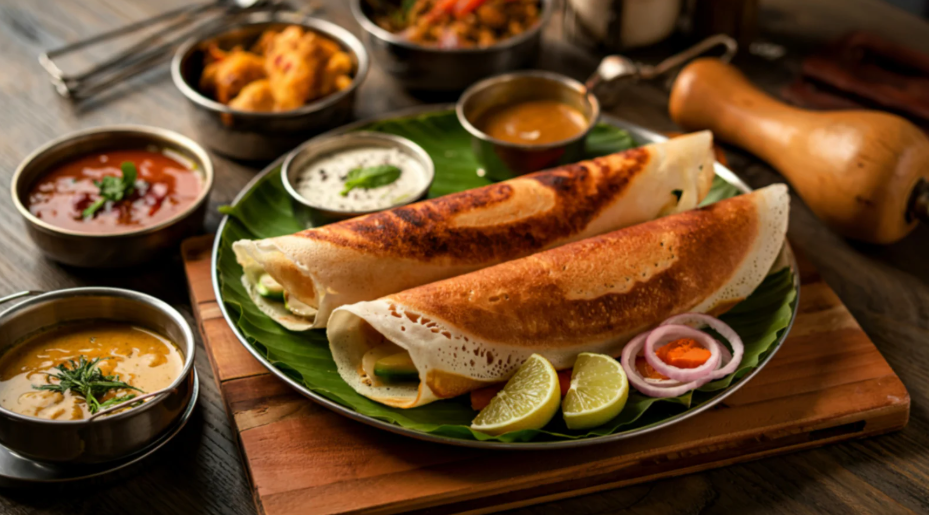
South Indian vegetarian cuisine is known for its depth, balance, and distinctive use of spices that create memorable flavors. Many food lovers exploring a veg South Indian restaurant in Chicago are often drawn to this cuisine for its comforting yet complex taste profiles. Rooted in regional traditions, these dishes rely on carefully layered spices, fresh ingredients, and time-tested cooking techniques. Each meal reflects cultural influences that emphasize harmony between flavor, texture, and aroma. The result is a culinary experience that feels both nourishing and vibrant without relying on heavy ingredients.
The Role of Spices and Aromatics
Spices are the backbone of South Indian vegetarian cooking. Ingredients such as mustard seeds, curry leaves, dried red chilies, and asafetida are used to build flavor gradually rather than overpowering the dish. These spices are often tempered in oil at the beginning of cooking, which releases their aroma and infuses the entire dish. This technique allows even simple vegetables to develop a rich, layered taste. The careful balance ensures that no single spice dominates, creating a well-rounded flavor that feels complete and satisfying. South Indian cuisine also relies heavily on fresh aromatics like ginger, coconut, and green chilies. These elements add brightness and texture while complementing the warmth of spices. Together, they create a sensory experience that is both bold and refined.
Rice, Lentils, and Fermentation
Rice and lentils are central to South Indian vegetarian food and contribute significantly to its unique flavor profile. Dishes such as dosas, idlis, and vadas rely on fermented batters that develop subtle tanginess and depth. Fermentation enhances flavor while improving texture and digestibility. This process is carefully monitored to achieve consistency and balance. Lentils are prepared in various forms, from creamy sambar to thick dals, each seasoned differently depending on the region. The combination of lentils with tamarind spices and vegetables results in complex flavors that feel comforting yet dynamic. These dishes showcase how foundational ingredients can be transformed through technique and seasoning.
Regional Influences and Variations
South Indian vegetarian cuisine varies across regions such as Tamil Nadu, Karnataka, Andhra Pradesh, and Kerala. Each area brings its own interpretation of spice, heat, sweetness, and sourness. Some regions favor tangy flavors from tamarind, while others emphasize coconut-based gravies. These regional differences add diversity while maintaining a shared culinary identity. Despite variations, the focus remains on balance. Meals are designed to include multiple components that complement one another. This thoughtful composition highlights the importance of harmony in South Indian cooking.
Professional Preparation and Consistency
Authentic South Indian vegetarian food requires precision, experience, and consistency. Professional kitchens understand how to manage spice levels, fermentation timing, and ingredient quality to maintain traditional flavors. Skilled preparation ensures that dishes retain their intended taste while meeting modern expectations for quality and presentation. This expertise allows diners to experience the cuisine as it is meant to be enjoyed without compromise. Professional preparation preserves authenticity while delivering reliable flavor across every dish.
Conclusion
The unique flavors found in South Indian vegetarian food are the result of thoughtful spice use, fermentation, regional influences, and skilled preparation. Each dish reflects a balance of traditional technique and ingredient harmony. This cuisine offers depth without heaviness and complexity without excess. Understanding these elements enhances appreciation for a culinary tradition that continues to captivate diners seeking flavorful, satisfying vegetarian meals rooted in cultural heritage.