
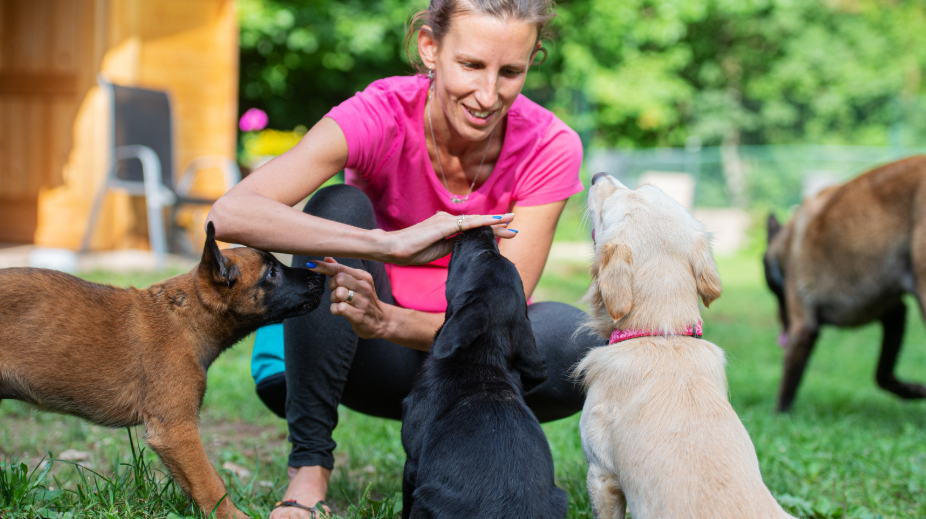
Bringing home a young dog is exciting, but those early weeks set the tone for everything that follows. Habits form fast, whether good or bad. Structured learning during this stage helps puppies understand expectations, boundaries, and social rules. That’s why many owners turn to puppy training classes in Atlanta to build strong foundations right away. Professional guidance during puppyhood doesn’t just fix small issues; it prevents long-term behavioral challenges. The result is a calmer home and a dog that’s confident in any environment.
Why the First Months Matter Most
A puppy’s brain develops rapidly, making early learning especially impactful. Experiences during this period shape how a dog reacts to people, sounds, environments, and other animals for years to come.
Building Positive Behavior From the Start
Early structured training introduces essential skills like attention, impulse control, and appropriate play. Puppies learn to respond to cues, settle when needed, and interact politely. Without clear direction, natural behaviors like jumping, chewing, or rough play can become ingrained habits that are harder to change later.
Professional trainers also focus on communication, teaching owners how to read body language and reinforce the right behaviors at the right time. This consistency helps puppies feel secure because expectations are clear and predictable.
Socialization Shapes Confidence
Proper exposure to new situations reduces fear-based reactions as dogs mature. Puppies who experience different surfaces, sounds, people, and controlled dog interactions are less likely to develop anxiety or aggression.
Learning to Interact the Right Way
Supervised group settings allow young dogs to practice social skills safely. They discover how to greet politely, disengage when play becomes too intense, and stay calm around distractions. These lessons prevent overstimulation and teach emotional regulation.
Mouthing is another common early behavior that benefits from professional attention. Understanding how to stop a puppy from biting ensures puppies learn gentle play habits before sharp teeth become a bigger concern.
Preventing Problems Before They Start
Many adult behavior issues begin as overlooked puppy habits. Pulling on the leash, ignoring recall, guarding items, or excessive barking often develop when early structure is missing.
Consistency Creates Long-Term Reliability
Training in a structured environment builds focus even with distractions present. Puppies practice listening around other dogs, unfamiliar people, and new surroundings, which strengthens reliability outside the classroom. Professional trainers adjust techniques based on temperament, helping shy puppies gain confidence and energetic ones learn self-control.
Early intervention also supports smoother vet visits, grooming appointments, and travel. Puppies accustomed to handling and new environments adapt more easily to life’s routine demands.
Strengthening the Human–Dog Bond
Training isn’t just about obedience; it’s about partnership. Clear communication reduces frustration on both sides. Puppies learn how to earn rewards, and owners gain confidence managing behavior in real-world situations.
A Foundation That Lasts
Dogs trained early tend to be more adaptable as they grow. Life changes like moving homes, welcoming guests, or adding family members become easier when a dog already understands boundaries and expectations.
Conclusion
Early structured learning creates lasting stability, confidence, and trust between dogs and their families. When guidance begins during puppyhood, good manners become second nature rather than a struggle to correct later. Investing in professional support during this critical stage sets the tone for a well-adjusted companion capable of thriving in any environment.