
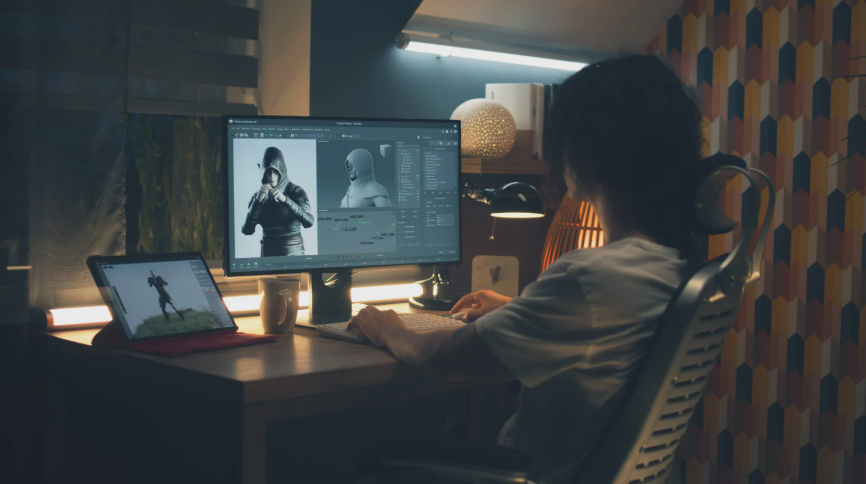
The demand for visually immersive and highly engaging content continues to grow across industries. From entertainment and advertising to product design and interactive media, audiences now expect richer and more realistic visuals. This shift has made 3D digital art an essential part of modern creative production. Many creators and brands exploring 3d digital artwork in Fort Lauderdale recognize its ability to deliver depth, realism, and innovation that traditional formats cannot always achieve. With advanced tools and professional expertise, 3D artwork supports next-generation storytelling and design. Understanding its importance highlights why it has become central to the future of visual communication.
The Growing Role of 3D Digital Art in Modern Media
3D digital artwork has transformed how visual content is created and experienced. Unlike flat imagery, 3D art introduces dimension, lighting, texture, and spatial realism that makes content more immersive. This is especially valuable in industries where audiences want lifelike experiences, such as gaming, film, and digital marketing.
As technology advances, 3D visuals are becoming more accessible and widely used. Brands increasingly rely on 3D design to present products, environments, and concepts in a way that feels dynamic and future-focused.
Enhancing Storytelling Through Depth and Realism
One of the strongest advantages of 3D digital art is its storytelling power. Depth and realism allow creators to build worlds, characters, and scenes that feel tangible. This enhances emotional connection and viewer engagement, making content more memorable.
3D artwork also offers flexibility in perspective and motion, allowing creators to explore angles and environments that are difficult to achieve through traditional methods. Many professionals deepen their skills by understanding 3d digital art, which highlights the foundational elements that make 3D visuals so impactful.
Applications Across Industries and Platforms
Next-generation visual content requires adaptability, and 3D digital artwork meets this need across multiple platforms. It is widely used in animation, virtual reality, architecture, product visualization, and interactive experiences. The ability to create realistic prototypes and digital environments supports innovation in both creative and technical fields.
3D art also plays a growing role in social media and branding, where visually striking content helps businesses stand out in crowded digital spaces. This versatility makes it essential for modern communication and design strategies.
Supporting Innovation and Future Focused Creativity
3D digital art is not only about realism but also about innovation. Artists can push creative boundaries by experimenting with surreal designs, futuristic environments, and unique visual styles. This flexibility supports originality while still maintaining professional polish.
As audiences continue to embrace interactive and immersive experiences, 3D artwork becomes even more important for staying ahead of creative trends. It enables content that feels modern, sophisticated, and aligned with evolving expectations.
Why Professional Expertise Matters in 3D Production
High-quality 3D digital artwork requires more than software; it demands technical skill, artistic vision, and attention to detail. Professional artists understand modeling, texturing, lighting, and rendering, ensuring that final visuals meet industry standards.
Because next-generation content often involves complex workflows, professional support ensures consistency and efficiency. Well-produced 3D visuals enhance credibility and create lasting impressions across digital platforms.
Conclusion
3D digital artwork is essential for next-generation visual content because it brings depth, realism, and innovation to modern media. Its ability to enhance storytelling, support diverse applications, and meet evolving audience expectations makes it a powerful tool for the future. With professional expertise and creative flexibility, 3D artwork continues to shape how brands and creators communicate through visually immersive experiences.